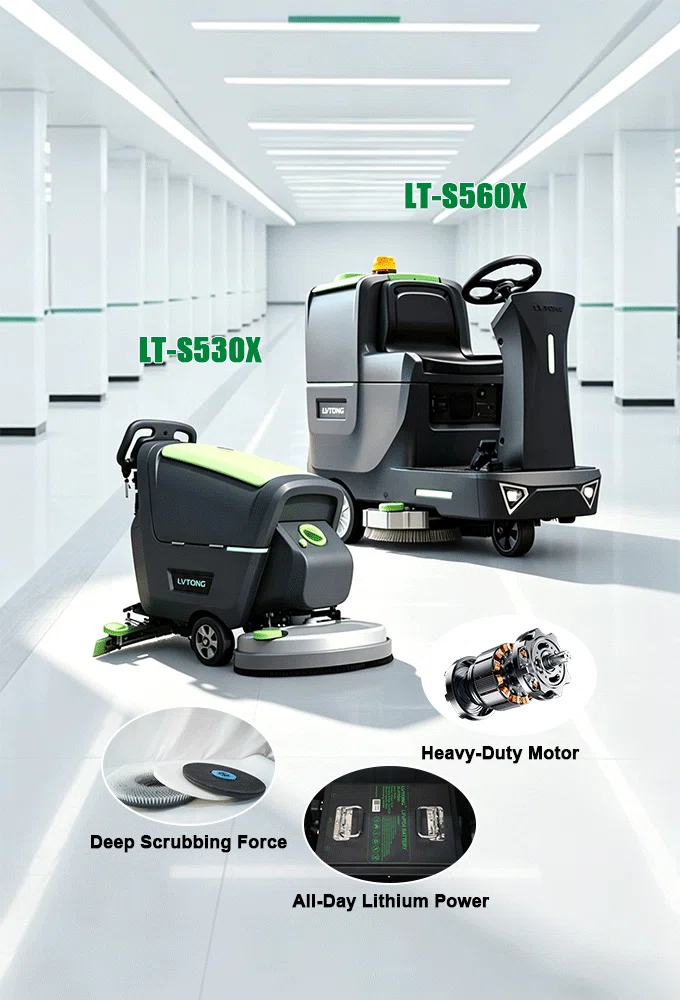
A cleaning equipment distributor needs a manufacturer that can provide stable product quality, predictable supply, technical assistance, and flexible cooperation terms. In markets where commercial cleaning machines represent long-term customer investments, distributors usually evaluate suppliers based on production capacity, warranty support, spare parts availability, customization options, and sales assistance. A manufacturer with proven manufacturing systems and responsive service helps distributors maintain customer satisfaction and expand their local business.
Cleaning equipment distributors usually manage products that are used daily in demanding environments such as hotels, airports, warehouses, hospitals, retail stores, and industrial facilities. A machine failure can interrupt cleaning schedules and create additional service requests. According to industry reports from 2023, commercial cleaning equipment demand continued expanding as businesses increased investment in automated and efficient cleaning solutions.
“Distributors do not only purchase machines; they purchase a reliable supply relationship that supports years of customer service.”
Product consistency is one of the first areas distributors evaluate. A manufacturer producing floor scrubbers, sweepers, vacuum systems, and industrial cleaning machines must maintain stable manufacturing standards across different production batches. Quality checks commonly include motor inspection, battery performance testing, water flow evaluation, brush pressure verification, and final operation testing.
| Evaluation area | What distributors usually check |
|---|---|
| Machine durability | Frame structure, wheels, motors, batteries |
| Cleaning performance | Coverage area, water usage, cleaning speed |
| Manufacturing control | Inspection process, production records, testing procedures |
| Service support | Spare parts supply and technical response |
Manufacturers with established quality systems can reduce product return rates and service requests. For example, ISO 9001-certified manufacturing facilities follow documented quality procedures covering purchasing, production, inspection, and improvement processes. Many international distributors prefer suppliers that can provide consistent documentation because they often sell equipment under their own regional standards.
Product performance also affects distributor sales because customers compare equipment based on measurable operating results. A commercial floor scrubber may be evaluated by cleaning width, battery runtime, recovery tank capacity, and daily coverage. A machine that covers 4,000–8,000 square meters per charge may fit different customer groups compared with compact models designed for 500–1,500 square meters.
Price remains an important factor, but distributors usually compare total business conditions instead of factory price alone. Equipment with a lower purchase price but frequent maintenance requirements may create higher service costs over several years. Many distributors calculate product selection using expected lifespan, replacement part availability, and customer usage frequency.
“A distributor needs equipment that can generate repeat business, not only a low initial purchase cost.”
Manufacturers can support distributors by offering reasonable minimum order quantities, stable pricing policies, and different product categories. A supplier offering multiple machine types allows distributors to serve different customers without managing many separate manufacturing relationships.
Customization is another requirement in competitive markets. Distributors often operate in regions with different voltage standards, customer preferences, and cleaning requirements. A manufacturer that supports OEM production, packaging changes, accessory selection, and branding options gives distributors more flexibility.
Common customization requests include:
-
110V or 220V electrical specifications for different countries
-
Different brush or pad configurations
-
Private label packaging
-
Regional language manuals
-
Additional accessories for specific industries
The demand for customized cooperation has increased as more distributors build specialized product lines. A 2024 industry survey of commercial equipment suppliers showed that approximately 60% of distributors considered customization capability an important supplier selection factor.
Supply reliability is another area distributors evaluate before establishing long-term cooperation. Commercial customers often expect equipment availability within specific delivery periods, especially when replacing existing machines or expanding cleaning operations.
Manufacturers should maintain organized production planning, reliable component sourcing, and accurate delivery schedules. International distributors commonly review:
| Supply requirement | Distributor expectation |
|---|---|
| Production capacity | Ability to handle regular orders |
| Delivery planning | Accurate shipping schedules |
| Spare parts | Long-term availability |
| Packaging | Protection during international transportation |
A manufacturer with stable supply management allows distributors to plan inventory more effectively. This is especially important for businesses selling equipment across multiple cities or regions where delayed shipments may affect customer relationships.
Technical support is another service area that influences distributor selection. Cleaning machines include electrical systems, batteries, motors, pumps, control panels, and mechanical components. Distributors need manufacturers that can provide operating guidance and maintenance information.
Training materials may include:
-
Product operation manuals
-
Maintenance schedules
-
Troubleshooting documents
-
Installation instructions
-
Sales training resources
For new distributors entering the cleaning equipment sector, technical training can shorten the time required to understand product features. Some manufacturers provide online training sessions, video tutorials, and remote support platforms. Since 2020, many equipment suppliers have expanded digital training methods, with online product education becoming a standard service option for international partnerships.
After-sales service directly affects customer retention. Distributors often handle customer communication after equipment delivery, so they depend on manufacturers for spare parts and technical responses.
“Fast technical communication and reliable spare parts supply help distributors maintain professional service standards.”
Manufacturers should provide clear warranty terms, replacement procedures, and spare part catalogs. For example, keeping commonly replaced components such as brushes, batteries, filters, chargers, and seals available can reduce equipment downtime for end users.
Marketing support also helps distributors introduce products to local customers. Many distributors require professional product images, technical specifications, demonstration videos, and application examples.
A manufacturer can provide:
-
Product catalogs
-
Sales presentation materials
-
Website content support
-
Exhibition assistance
-
Customer demonstration guidance
Distributors searching for structured cooperation programs may also look for manufacturers offering a dedicated floor cleaning equipment distributor program, which can include product support, training resources, and partnership guidance.
Communication quality affects daily cooperation. Distributors often work across different time zones and need manufacturers that respond efficiently to questions about orders, technical issues, and product updates. A supplier that provides clear communication channels can reduce delays during cooperation.
Manufacturers should assign professional contacts for distributor accounts and provide updates about production schedules, new models, and technical improvements. According to international B2B purchasing studies published in 2023, supplier responsiveness was among the top factors considered by buyers when evaluating long-term manufacturing relationships.
Long-term distributor partnerships usually develop when both sides focus on market growth and customer service. Manufacturers gain regional market access through distributors, while distributors gain reliable products and technical support from manufacturers.
A strong partnership usually includes:
| Partnership element | Practical application |
|---|---|
| Product support | Regular updates and improved models |
| Sales support | Training and marketing materials |
| Service support | Spare parts and technical assistance |
| Communication | Fast response and clear information |
Cleaning equipment distributors need manufacturers that understand daily business requirements, from production consistency to customer support after delivery. Suppliers that combine reliable machines, flexible cooperation options, and professional service systems are better positioned to build lasting relationships with distributors in international markets.