Successful cooperation with an overseas packaging machinery manufacturer depends on technical alignment, clear communication, and structured project management. Buyers that define specifications before production can reduce modification requests by around 30%–40%, while manufacturers with international installation experience often complete commissioning within 1–3 weeks after equipment arrival. A reliable partnership requires evaluation of engineering ability, production standards, service response, and long-term cooperation plans.
When working with an overseas packaging machinery manufacturer, companies should start by defining production requirements with measurable data. Machine speed, product dimensions, packaging materials, accuracy range, energy consumption, and maintenance requirements should be confirmed before requesting quotations. A packaging line designed for 100 units per minute may perform differently depending on product shape, material properties, and factory conditions.
A complete technical requirement document normally includes:
| Item | Information Required |
|---|---|
| Production capacity | Units per hour, operating hours per day |
| Product specifications | Size, weight, material type |
| Packaging format | Film, carton, pouch, bottle, sleeve, label |
| Automation level | Manual, semi-automatic, fully automatic |
| Compliance requirements | Safety standards and industry regulations |
A clear specification process helps both sides avoid different interpretations during manufacturing. In many international equipment projects, design changes after production begins can extend delivery schedules by several weeks and increase project costs by 10%–20%. Therefore, technical discussions should happen before commercial agreements are finalized.
After technical requirements are confirmed, supplier evaluation becomes the next stage. Companies should review whether the manufacturer has experience with similar applications instead of only comparing equipment prices. A supplier that has completed projects in food, beverage, pharmaceutical, cosmetic, or consumer goods industries usually understands production conditions more accurately.
A practical supplier review can include:
| Evaluation Point | Questions to Check |
|---|---|
| Export experience | How many overseas projects were completed in the past 3–5 years? |
| Engineering team | Does the manufacturer provide mechanical, electrical, and software support? |
| Production facility | Are assembly and testing procedures documented? |
| Customer references | Are similar machines operating successfully? |
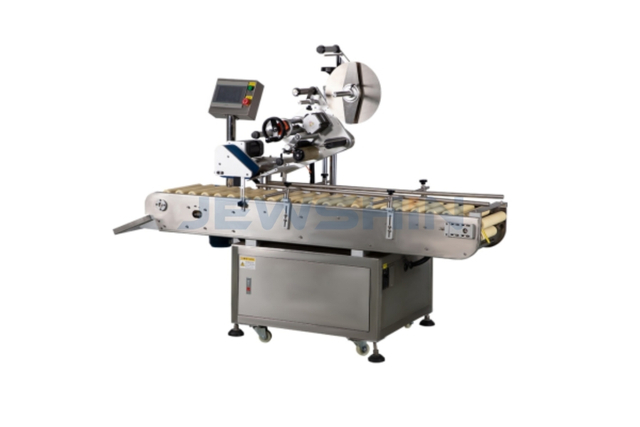
For example, when purchasing labeling and sleeve labeling machines, buyers should review not only labeling speed but also container compatibility, changeover time, label positioning accuracy, and maintenance requirements. A machine that supports multiple bottle sizes may require different adjustment systems compared with a single-format machine.
Once the supplier is selected, communication management determines how smoothly the project develops. Overseas cooperation often involves different working hours, languages, and engineering methods. A project manager from each company should be assigned to organize information exchange and approval procedures.
Effective communication usually includes:
-
Weekly project progress meetings.
-
Updated engineering drawings before manufacturing.
-
Written confirmation of technical changes.
-
Shared schedules for production milestones.
-
Clear responsibility for each task.
A packaging machine project may involve hundreds of components and dozens of technical documents. For a fully automated production line, electrical drawings, pneumatic diagrams, PLC programs, safety documents, and installation instructions must remain consistent. Missing information at the design stage can create delays during assembly or commissioning.
Factory testing before shipment provides another opportunity to confirm machine performance. The Factory Acceptance Test (FAT) allows buyers to check equipment operation under controlled conditions before transportation. Many international manufacturers conduct FAT procedures lasting several hours or multiple production cycles.
Typical FAT checks include:
| Test Area | Measurement Example |
|---|---|
| Production speed | Actual output per minute |
| Accuracy | Product position and packaging consistency |
| Mechanical operation | Continuous running stability |
| Safety | Emergency stop and protection systems |
| Software | Control functions and alarm response |
For customized machinery, customers may request production tests using their own materials. This approach helps identify differences between laboratory conditions and real manufacturing environments. In projects completed between 2020 and 2025, many industrial buyers increased FAT requirements because international onsite corrections became more expensive and time-consuming.
After approval, transportation and installation preparation affect the final production result. Overseas machinery normally travels through long-distance shipping channels, where vibration, humidity, and handling conditions can influence equipment condition. Proper packaging protection and installation planning should be arranged before shipment.
Before machine arrival, the buyer should prepare:
| Preparation | Purpose |
|---|---|
| Factory layout confirmation | Ensure correct equipment positioning |
| Power supply check | Match electrical requirements |
| Air and utility preparation | Support pneumatic systems |
| Operator training schedule | Reduce startup time |
| Spare parts planning | Support early operation |
Installation support is another important part of international cooperation. Some manufacturers send engineers onsite, while others provide remote guidance through video calls and digital service platforms. Remote assistance has become more common since 2020, especially for software adjustments and basic troubleshooting.
However, physical support may still be required for complex systems. Equipment installation quality can influence production efficiency during the first months of operation. A well-prepared commissioning process usually reduces adjustment periods from several weeks to a few days.
After installation, cooperation should continue through maintenance and improvement programs. Packaging equipment operates for thousands of hours each year, so component availability and technical support influence long-term production stability.
Companies should discuss:
| Service Area | Recommended Agreement |
|---|---|
| Warranty period | Coverage scope and response time |
| Spare parts | Recommended inventory list |
| Technical support | Remote and onsite assistance |
| Software updates | Upgrade procedures |
For example, replacing a damaged sensor may take only a few minutes, but waiting several weeks for international delivery can interrupt production plans. Maintaining frequently used spare parts locally can reduce equipment downtime significantly.
Digital technologies are also changing how manufacturers support overseas customers. Modern packaging systems increasingly include remote monitoring, production data collection, and machine condition analysis. According to industry reports published after 2022, manufacturers using digital service platforms have improved response speed by approximately 20%–40% compared with traditional support methods.
Long-term cooperation also requires regular performance reviews. After several months of operation, both companies can review production data, maintenance records, and improvement opportunities. A packaging line that initially meets requirements may need adjustments when product types, market demand, or production schedules change.
A quarterly review may include:
-
Equipment availability percentage.
-
Average maintenance time.
-
Material waste rate.
-
Production output.
-
Operator feedback.
For international buyers, cooperation quality should not be measured only by the initial purchase price. Equipment lifespan, service response, spare parts access, and upgrade possibilities influence the total ownership cost over 5–10 years.
Cultural understanding also helps maintain smooth cooperation. Different companies may have different approaches to communication, approval speed, and problem handling. Setting clear expectations at the beginning allows both sides to work with fewer misunderstandings.
“A successful overseas machinery partnership is built through accurate specifications, regular communication, reliable testing, and continuous technical support.”
Companies that select manufacturers carefully, confirm technical details early, and maintain regular communication can achieve better results from overseas packaging machinery projects. A professional supplier relationship helps ensure that equipment performance matches production goals while supporting future expansion and process improvement.